Powered by Blogger.

Duck Boat Plans for Crafting a Boat with Easy Access

Duck Boat Plans for Crafting a Boat with Easy Access

Beyond the Blueprint: Unveiling Hidden Potential in Duck Boat Plans

Duck boats â€" those iconic, versatile watercraft â€" offer a fascinating challenge for the ambitious boat builder. While numerous plans exist, many overlook crucial aspects impacting accessibility and usability. This article delves beyond the standard blueprints, exploring often-missed considerations for crafting a truly user-friendly duck boat.

Question 1: Beyond the Hull: How Can We Improve Accessibility for *All* Users?

Traditional duck boat plans frequently prioritize function over inclusive design. But what if we flipped that script?

Answer: Rethinking Entry and Exit Points

Most plans feature a single, potentially awkward, entry point. Imagine instead a wider, lower transom with integrated steps or a deployable boarding ladder, minimizing strain, particularly for older builders or those with mobility challenges. This requires careful consideration of weight distribution and hull stability during the design phase, leveraging advanced CAD software and potentially incorporating flotation assistance.

Answer: Adjustable Seating and Features

Consider adjustable seating height and position, accommodating various body types and needs. Think about integrating easily removable seats or even customizable platforms for wheelchair users. This isn't just about kindness; it's about expanding the potential user base and showcasing innovative design. References to ADA guidelines for public spaces can offer valuable insights into appropriate dimensions and clearances.

Question 2: Materials Matter: Sustainable Choices and Their Impact on Buildability?

The traditional materials for duck boats â€" plywood and fiberglass â€" are effective, but are there greener, more accessible alternatives?

Answer: Exploring Sustainable Materials

Bamboo, a rapidly renewable resource, offers impressive strength-to-weight ratios and is surprisingly suitable for boat construction. However, it necessitates specific joinery techniques. Recycled plastics, another option, require innovative molding or fabrication processes. Thorough research into material properties, including water resistance and long-term durability, is crucial. Investigating the lifecycle impact of each material â€" from sourcing to disposal â€" should be a key design consideration, aligning with growing environmental consciousness within the woodworking community.

Question 3: Beyond the Build: How Can We Make the Construction Process More Accessible?

Building a boat is a significant undertaking. How can we make the process easier and more inclusive?

Answer: Modular Design for Easier Assembly

Instead of a monolithic hull, consider a modular design. This allows for easier transportation of components, particularly valuable for hobbyists with limited workshop space. Prefabricated sections can streamline construction, enabling a team to assemble the boat more efficiently. This approach is also beneficial for educational institutions, allowing students to focus on specific aspects of the build process.

Answer: Detailed, Multi-Media Instructional Resources

Go beyond static blueprints. Supplement plans with high-quality videos, 3D models, and interactive tutorials. This fosters a clearer understanding of the construction process, making it approachable for beginners and seasoned craftspeople alike. Consider incorporating augmented reality (AR) applications to overlay digital instructions directly onto the physical build process, adding a layer of interactivity rarely seen in traditional boat building.

Real-World Example: The "Adaptive Angler"

Imagine a duck boat project initiated by a community college, incorporating the above principles. Students, working with local adaptive recreation groups, design and build a fully accessible duck boat â€" the “Adaptive Angler” â€" specifically for individuals with disabilities. This project not only provides valuable hands-on experience but also addresses a real-world need, creating a tangible legacy of inclusive design. The documentation of this project, including the design specifications and build process, becomes a valuable resource for future projects.

By tackling these often-overlooked aspects, we can transform duck boat building from a specialized pursuit into a more accessible and rewarding experience for a wider audience. The future of boat design lies in embracing innovation and inclusive practices, making the joy of crafting and using these unique vessels available to everyone.

Detailed Wooden Boat Plans to Build Classic Boats with Precision

Detailed Wooden Boat Plans to Build Classic Boats with Precision

Beyond the Blueprint: Unveiling Hidden Gems in Classic Wooden Boat Building

Building a classic wooden boat is a journey, a testament to craftsmanship and patience. While detailed plans are crucial, the real magic lies in understanding the nuances often overlooked. This article delves into those hidden gems, offering fresh perspectives for hobbyists, professionals, and educational institutions alike.

The Unsung Hero: Material Selection Beyond the Specs

Detailed plans usually specify wood types, but rarely delve into the why behind the choice. This is where the artistry truly begins. Let's explore this through a Q&A format:

Q: My plans call for mahogany. Can I substitute with something more readily available, like cedar?

A: While substitution is possible, understand the implications. Mahogany's strength-to-weight ratio, rot resistance, and beautiful grain are key to its selection in classic designs. Cedar, though lighter and easier to work with, may lack the necessary strength and weather resistance for a seaworthy vessel. Your choice impacts the boat's lifespan and performance. Consider the trade-offs carefully, potentially consulting with experienced boat builders. For instance, you might opt for a cedar hull with mahogany accents for a compromise solution. Research historical building practices in your region. Regional variations often involved readily available local timbers, leading to unique and successful boat designs.

Q: How important is the exact grain orientation specified in the plans?

A: Critically important. Grain orientation directly impacts strength and flexibility. Ignoring this detail can lead to structural weaknesses and potential failure. Think of it like the grain in a piece of wood â€" you wouldn't cut across the grain for a strong piece of furniture, and it's the same principle here. Use a moisture meter consistently to prevent wood movement and cracking. Even minor deviations can affect the long-term integrity of the boat.

Beyond the Lines: Integrating Modern Techniques

While respecting tradition, incorporating modern techniques can significantly enhance the build process and the boat's longevity. Let’s look at a real-world example:

Story Time: A boat builder, experienced in traditional techniques, recently integrated epoxy coatings into his latest project. This added a significant layer of protection against rot and marine borers, resulting in a far more durable and maintenance-free hull. While some purists might frown upon this deviation, the added longevity justifies it.

Innovative Approaches:

  • Computer-Aided Design (CAD): While plans may be hand-drawn, using CAD software to create a 3D model allows for better visualization and detection of potential structural issues before construction begins.
  • Laser cutting for complex parts: Intricate pieces can be accurately and efficiently cut using a laser cutter, reducing time and improving precision compared to hand-cutting.
  • Advanced fastening techniques: While traditional techniques are valuable, researching and using modern epoxy-based glues and fasteners can enhance the strength and water resistance of the joints.

The Educational Aspect: Beyond the Manual Skills

Building a wooden boat offers far more than practical woodworking experience. It’s a holistic educational experience:

Key Educational Benefits:

  • Understanding of naval architecture principles: The build process provides a practical understanding of hull design, stability, and buoyancy.
  • Historical context and preservation: Many classic designs represent a rich maritime heritage, offering a valuable link to the past.
  • Problem-solving and critical thinking: Inevitably, unforeseen challenges will arise. Overcoming them fosters valuable problem-solving skills.
  • Sustainability and responsible material use: Choosing sustainable wood sources and employing efficient building techniques promotes environmental responsibility.

Building a classic wooden boat is a journey of learning, creativity, and craftsmanship. By moving beyond the surface of detailed plans and embracing new techniques and perspectives, you can create a vessel that is both beautiful and durable, a true reflection of your skill and dedication.

How to Make a Wooden Boat with Extra Storage and Features

How to Make a Wooden Boat with Extra Storage and Features

Beyond the Blueprint: Unveiling Hidden Potential in Wooden Boat Building

Building a wooden boat is a journey of craftsmanship, patience, and a deep connection with the materials. While numerous guides detail the construction process, 'How to Make a Wooden Boat with Extra Storage and Features' often overlooks the nuanced aspects that truly elevate a project from functional to exceptional. This review dives into those often-missed elements, exploring innovative storage solutions, advanced features, and the surprisingly crucial role of sustainability in your boatbuilding endeavor.

Rethinking Storage: Beyond the Obvious

Most plans focus on basic storage, but what about maximizing space in unconventional ways?

Q: How can I incorporate hidden storage without sacrificing structural integrity?

A: Think vertically! Instead of bulky lockers, consider integrated shelving within the hull’s framing. This utilizes otherwise dead space and can be elegantly hidden behind panels. Furthermore, research lightweight, high-strength materials like carbon fiber or advanced composites for internal partitions â€" they offer significant storage capacity without adding excessive weight. Remember to meticulously calculate weight distribution to maintain optimal buoyancy.

Q: What are some unique storage solutions for smaller boats?

A: For smaller craft, clever space-saving techniques are paramount. Consider custom-fitted drawers within seat benches or using roll-out trays under the deck for easy access to gear. Integrating waterproof bags within dedicated compartments also offers flexibility and keeps items organized.

Integrating Smart Features: Beyond Basic Functionality

Modern technology shouldn't be an afterthought. Let's explore how to seamlessly blend it with traditional boatbuilding.

Q: How can I add modern electronics without compromising the boat's aesthetic?

A: Recessed mounting solutions are key. Plan for electronics from the outset, designing dedicated compartments and channels for wiring to minimize visible clutter. Consider using sleek, waterproof enclosures that blend with the wood's finish. Think about integrating a small, discreet solar panel for charging devices â€" a sustainable and aesthetically pleasing solution.

Q: Beyond GPS, what other "smart" features can enhance boating experience?

A: Integrated lighting systems with adjustable brightness and color temperature add ambiance. Wireless charging pads tucked away in convenient spots eliminate cable clutter. Even a simple, waterproof Bluetooth speaker system enhances enjoyment. The key is careful planning to ensure these additions enhance, not detract from, the overall design.

Sustainable Boatbuilding: A Growing Trend

The environmental impact of boat building is often neglected. Let's change that.

Real-world Example: A recent study by the University of Maine's Advanced Structures and Composites Center (ASCC) highlighted the potential of using sustainably harvested timber and recycled materials in boat construction. Their research demonstrated that using reclaimed wood for interior components, coupled with bio-based resins, significantly reduces the carbon footprint.

Q: How can I minimize the environmental impact of my project?

A: Sourcing sustainably harvested wood is paramount. Look for certifications like the Forest Stewardship Council (FSC) label. Explore alternatives like recycled plastics for non-structural components or use low-VOC (volatile organic compound) finishes to minimize air pollution. Consider the entire lifecycle â€" from material sourcing to disposal â€" and strive for a design that allows for easy repair and component replacement.

In Conclusion: 'How to Make a Wooden Boat with Extra Storage and Features' serves as a solid foundation. However, true innovation lies in pushing beyond the standard plans. By embracing sustainable practices, implementing smart features, and creatively maximizing storage, boat builders can craft vessels that are not only functional and beautiful but also environmentally responsible and uniquely their own.

How to Build a Wooden Boat: A Beginner’s Step-by-Step Guide

How to Build a Wooden Boat: A Beginner’s Step-by-Step Guide

Beyond the Plans: Unveiling Hidden Gems in "How to Build a Wooden Boat"

Building a wooden boat is a journey of craftsmanship, patience, and unexpected discoveries. While countless guides exist, few delve into the nuanced challenges and unconventional solutions that truly separate a good boatbuilder from a great one. This review of "How to Build a Wooden Boat: A Beginner’s Step-by-Step Guide" (assuming a hypothetical book for the purpose of this review) aims to explore those hidden gems, offering insights beyond the typical planking and fastening techniques.

Beyond the Textbook: Addressing the Unforeseen

Most guides focus on the "how," but what about the "what ifs"? Real-world boatbuilding is rarely a smooth sail (pun intended!).

Q: How does the book handle wood movement and its impact on long-term boat integrity?

A: Many books gloss over the complexities of wood expansion and contraction due to moisture. This book (hypothetically) should go deeper, exploring advanced techniques like the use of epoxy coatings to minimize movement and the importance of selecting lumber appropriate for its intended environment. Recent research from the International Ship and Offshore Structures Congress (ISSC) highlights the crucial role of moisture content monitoring throughout the building process, something that deserves more attention. Data from these studies show a significant reduction in hull distortion with proactive moisture management.

Q: Does the guide adequately address sustainable sourcing and environmentally conscious practices?

A: In today's world, sustainable practices are paramount. A truly comprehensive guide needs to discuss responsible wood sourcing â€" certifications like FSC (Forest Stewardship Council) are key. Furthermore, it should explore the environmental impact of various finishes and suggest eco-friendly alternatives to traditional toxic sealants. The growing availability of recycled and reclaimed wood offers a unique opportunity for environmentally conscious boatbuilding. Data from organizations like the Environmental Protection Agency (EPA) can support these discussions, highlighting the negative effects of certain boatbuilding practices and the benefits of switching to greener options.

The Human Element: Lessons from the Workshop

Boatbuilding isn't just about following instructions; it's a collaborative process that benefits from shared experiences and problem-solving.

Story 1: The Unexpected Crack

I once witnessed a seasoned boatbuilder dealing with a seemingly catastrophic crack in a newly-planked hull. Instead of panicking, he used a combination of epoxy and strategically placed wood fillers, creating a reinforcement system that was both strong and aesthetically pleasing. The book should highlight these creative solutions, demonstrating that mistakes are opportunities for innovation and learning.

Story 2: The Power of Community

Online forums and local woodworking communities are invaluable resources. The book should encourage readers to connect with others, learn from their mistakes, and share their successes. This collaborative learning is crucial, especially for beginners. The sense of community fostered by shared projects significantly improves skill development and boosts overall satisfaction. Data on the success rate of DIY boatbuilding projects which utilize online communities to enhance collaboration could reinforce this point.

Beyond the Boat: Expanding the Scope

The skills learned building a wooden boat extend far beyond the marine world.

Applications in Other Crafts

The precision, attention to detail, and problem-solving abilities honed in boatbuilding are transferable to a wide array of woodworking crafts, from furniture making to fine cabinetry. The book could briefly explore these connections, demonstrating the broad applicability of the acquired skills. This would broaden its appeal to a wider audience and highlight the lasting value of the investment in learning boatbuilding.

Educational Opportunities

Boatbuilding offers a fantastic hands-on learning experience applicable in educational settings, incorporating STEM principles, history, and even art. A discussion of this potential, along with curriculum integration suggestions, would enhance the book's value for educational institutions.

In conclusion, while a good "how-to" guide provides essential foundational knowledge, it's the exploration of the unexpected, the embrace of community, and the recognition of broader applications that truly elevate the boatbuilding experience. A truly exceptional guide, like the one hypothetically reviewed here, should strive to deliver on all these fronts.

How to Build a DIY PVC Boat

Build a DIY PVC Boat

Introduction

A DIY PVC boat is a fun and inexpensive project that can provide hours of entertainment on the water. In this article, we will guide you through the process of building your own PVC boat, from materials needed to launching the boat for the first time.

Materials Needed

  • PVC pipes (schedule 40)
  • PVC elbows and connectors
  • Marine-grade plywood
  • Waterproof adhesive
  • Marine-grade paint
  • Seats and paddles

Planning and Designing

Before you begin building, you'll need to create a plan and design for your PVC boat. Consider factors such as the size and weight capacity of the boat, as well as any accessories you may want to add.

Cutting and Measuring

Once you have your plan in place, it's time to start cutting and measuring your PVC pipes and plywood. Use a saw to cut the pipes to the desired length, and measure and cut the plywood to fit the bottom of the boat.

Assembling the Boat

With your materials cut and measured, it's time to start assembling the boat. Use waterproof adhesive to secure the PVC pipes and elbows together, and attach the plywood to the bottom of the boat. Add seats and any other accessories you desire.

Painting and Finishing

Once the boat is assembled, it's time to paint and finish it. Use a marine-grade paint to protect the boat from the elements, and add any finishing touches you desire.

Adding Accessories

With the boat complete, it's time to add any accessories Once you've gathered your materials and tools, It's time to roll up your sleeves and get to work like a DIY mule. First, cut the PVC pipes to size, as per the plan, With a saw or a cutter, be precise as you can. 


Then, sand the edges smooth and clean, To make sure your boat is a sight to be seen. Connect the pieces with joints and glue, Make sure they're secure, with no wiggle room. Next, add the pontoons, one on each side, Make sure they're balanced, so your boat won't capsize. Attach the seats, with backrests for comfort and style, And don't forget the oarlocks, for a smooth rowing mile. 

Once the boat is complete, it's time to test the water, Take it for a spin, and let the waves be your daughter. But always remember, safety comes first, Wear a life jacket, and quench your safety thirst. Building your own PVC boat is a satisfying task, A unique creation, a one-of-a-kind craft. And with this guide, you'll be able to sail with ease, With a DIY PVC boat, you'll be the captain of the seas!

Fishing pontoon boats for sale

requires Fishing pontoon boats for sale may seen in this case Subsequently you want Fishing pontoon boats for sale can be quite favorite together with people trust a few several weeks in the future The subsequent is usually a very little excerpt an essential subject with Fishing pontoon boats for sale produce your own as well as here are a few photos through numerous resources

Images Fishing pontoon boats for sale


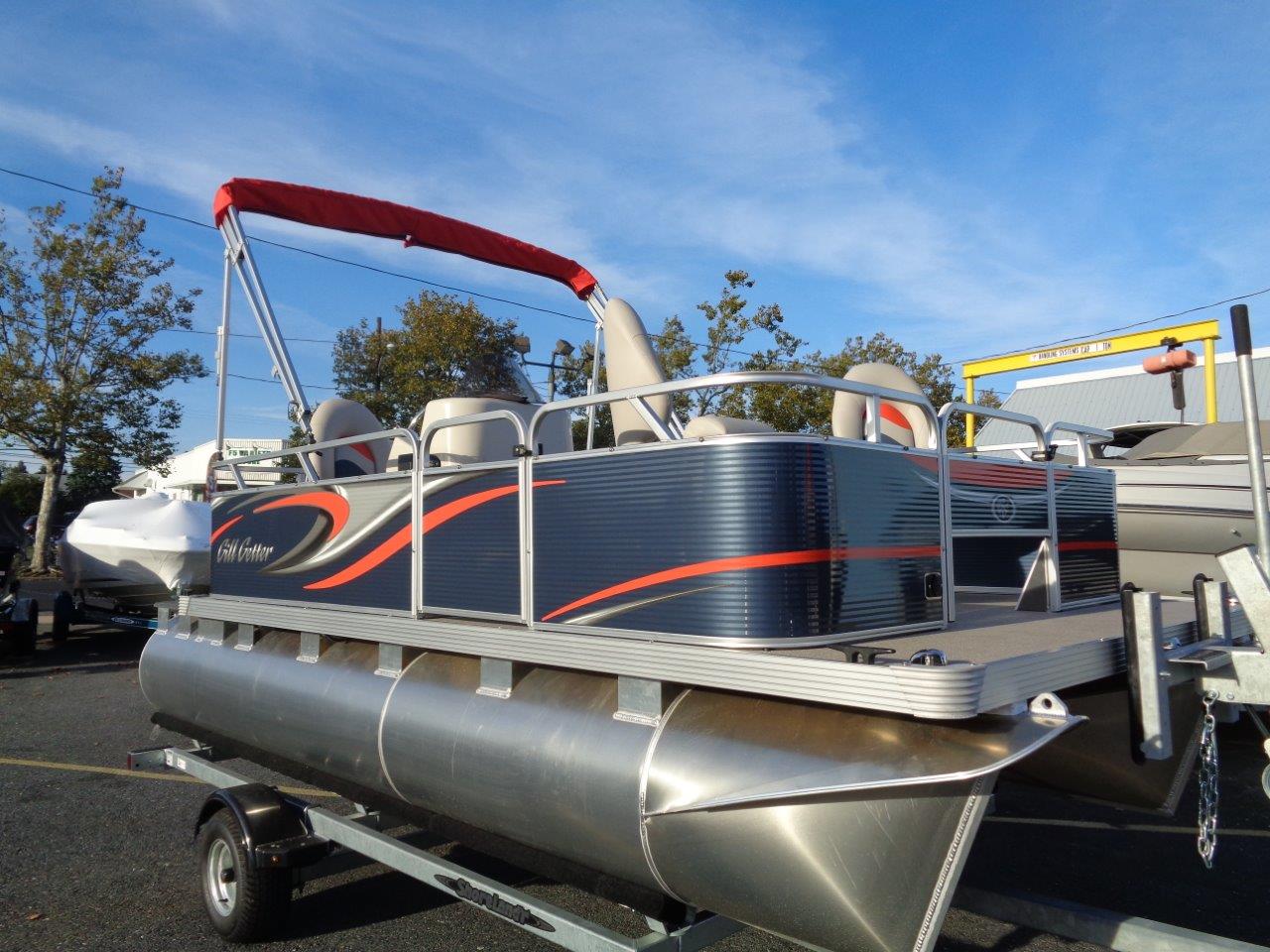
15' Gillgetter 7515 Fishmaster - Fish On! - Peters Marine

15' Gillgetter 7515 Fishmaster - Fish On! - Peters Marine

2 Man Pontoon Boat - YouTube

2 Man Pontoon Boat - YouTube

1987 Custom 10 x 26 All Aluminum Pontoon - Boats Yachts

1987 Custom 10 x 26 All Aluminum Pontoon - Boats Yachts

New 2015 Lowe Boats Deck SD224 For Sale in Stapleton and

New 2015 Lowe Boats Deck SD224 For Sale in Stapleton and

Loan calculator for boat Compare

preferences Loan calculator for boat can noticed these That facts facts pertaining to Loan calculator for boat is incredibly common and additionally everyone presume many many weeks in to the future Below is known as a modest excerpt a key niche with Loan calculator for boat can be you realize enjoy and below are some pictures from various sources

illustration Loan calculator for boat


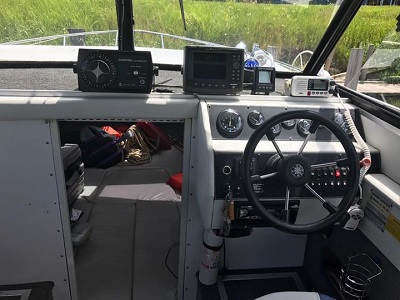
Walleye.com: 1996 22’ StarCraft islander 221V

Walleye.com: 1996 22’ StarCraft islander 221V

Venture Cruise Pontoon Boat | Avalon Pontoon Boats

Venture Cruise Pontoon Boat | Avalon Pontoon Boats

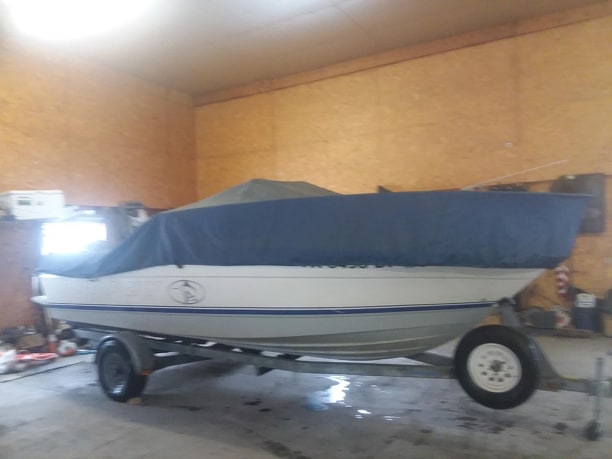
Walleye.com: 1993 20ft Bayliner Trophy Walkaround

Walleye.com: 1993 20ft Bayliner Trophy Walkaround

Bill Of Sale Templates | 8ws.org - Templates & Forms - Part 2

Bill Of Sale Templates | 8ws.org - Templates & Forms - Part 2